
Prior to working on the IceCube Neutrino Observatory, I worked primarily at High Energy Particle Physics laboratories.
Fermilab Summer Internship Program for Undergrads
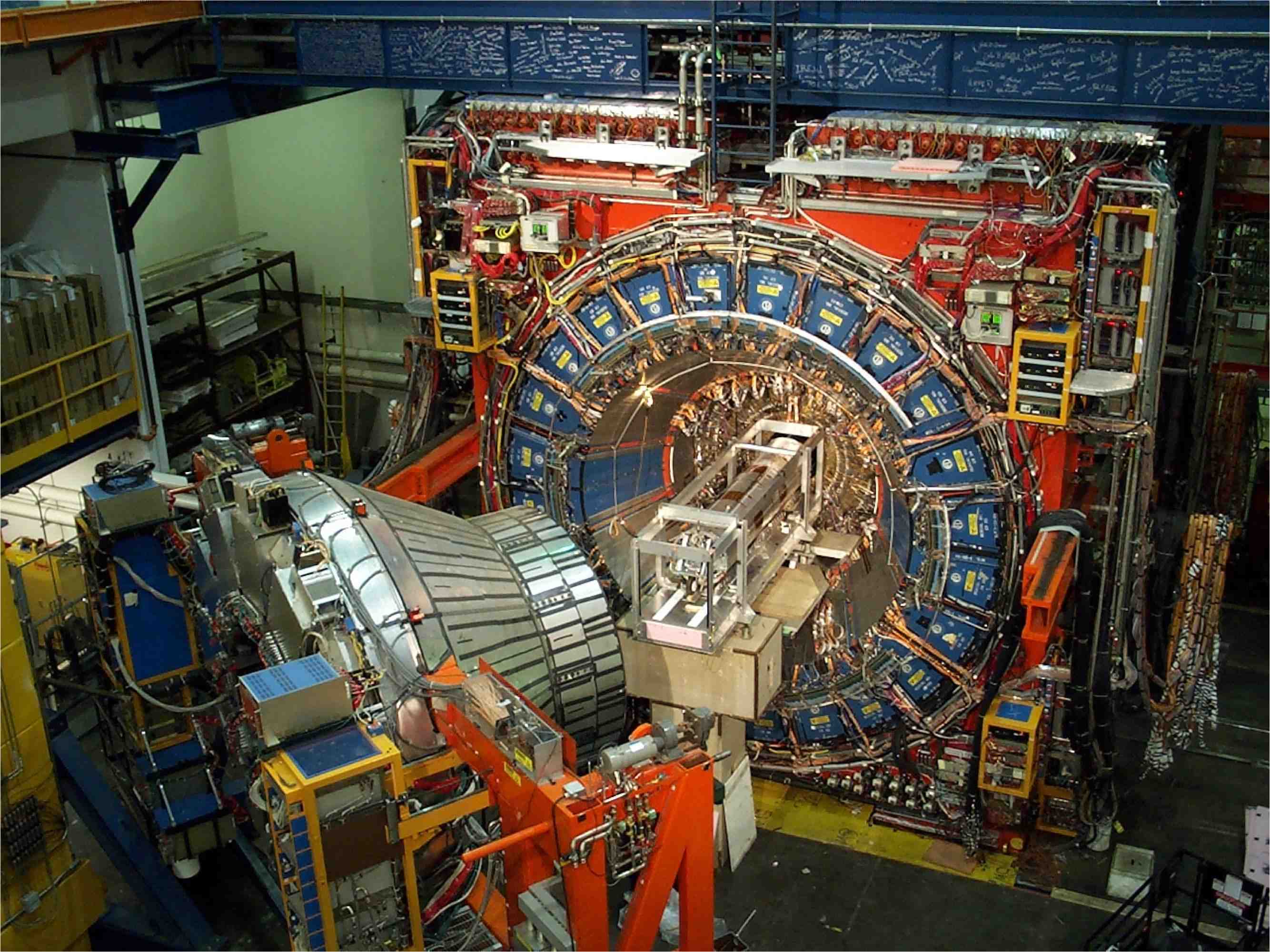 My first internship was the summer of 2001 at Fermi National
Accelerator Laboratory in Batavia, IL where I worked on the CDF
collaboration as the advisee of Dr. Frank Chlebana. My project was to
analyze the efficiency of the Level 1 and Level 2 QCD triggers for
some of the first Run 2 data. My results showed a loss of important
events due to the stringency of the Level 1 trigger and led to a
significant change in their settings. However, I think the most
important part of this research experience at Fermilab was that I
became hooked on physics: on the people, the research, everything
about it. This experience was the catalyst that started it all.
CERN Summer Student Programme
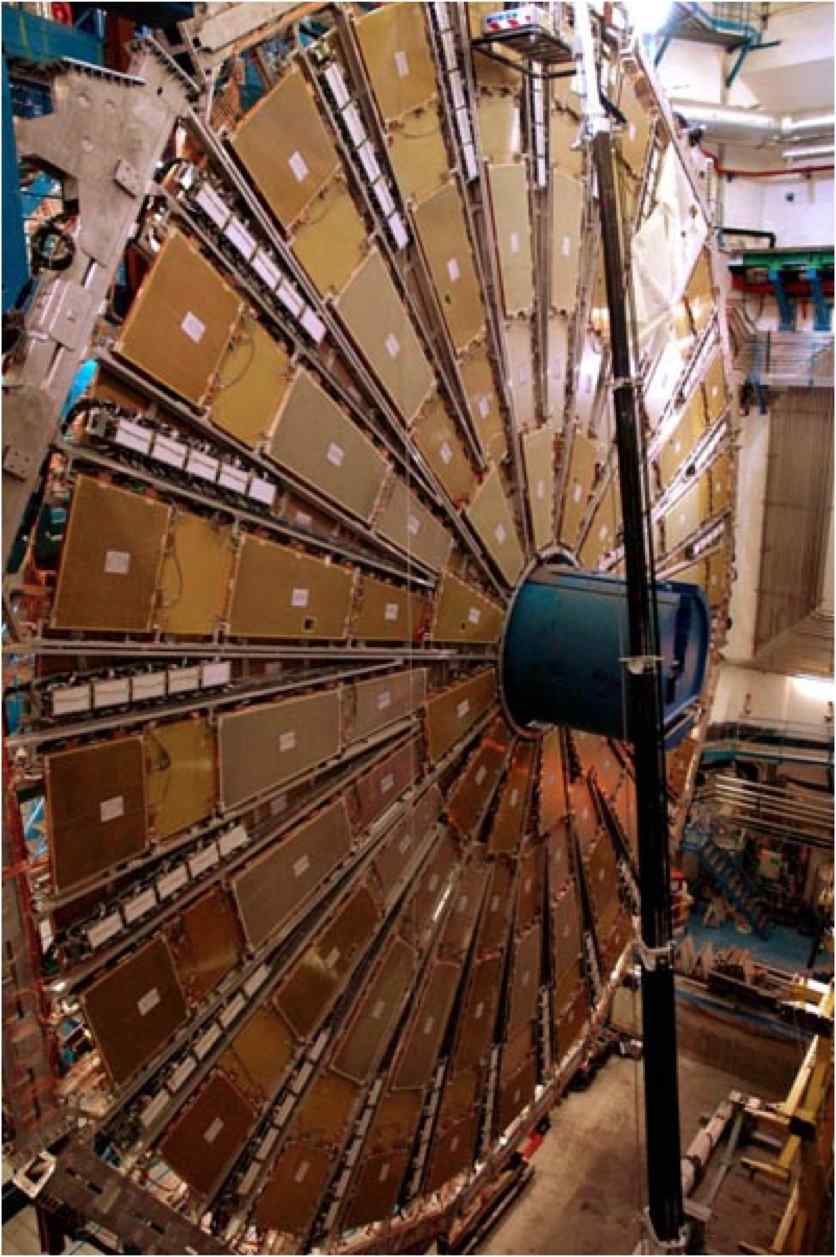 My next encounter with the world of particle physics was the summer of
2002, when I became one of a few students from the US to join the CERN
Summer Student Programme. This program is famous for its high quality
introductory lectures given by world-reknowned particle physicists
every morning for about a month and a half. I spent the rest of my
time working to account for the gravitational deformation of the ATLAS
Muon Endcap Chambers in their reconstructions software. Again, this
was a fantastic opportunity to learn about physics from famous people,
to work on the largest detector in existence, to meet like-minded
students from around the world, and to do a bit of traveling on the
weekends! If I wasn't hooked before, I certainly was after spending
the summer at CERN, so I decided that graduate school was the next
place for me.
DESY Research Assistantship
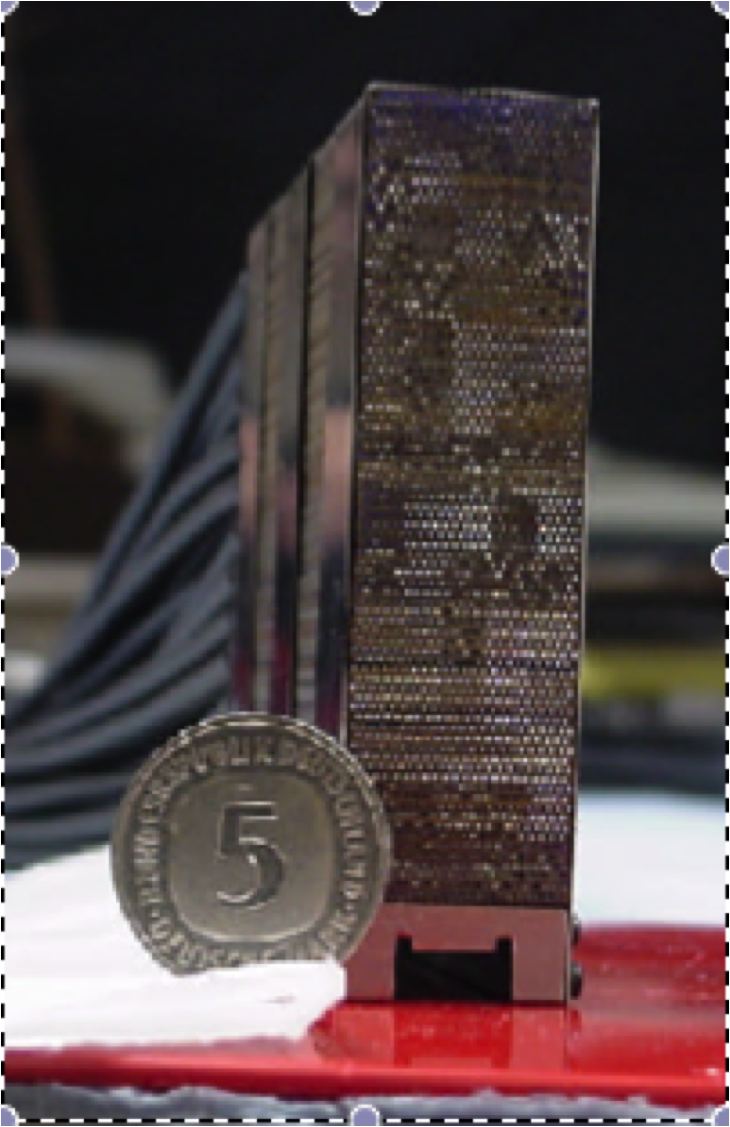 I worked my first summer in graduate school (the summer of 2004) with
the University of Wisconsin-Madison group led by Prof. Wesley Smith on
ZEUS at HERA, DESY, Hamburg, Germany. My project that summer was to
calibrate the 6-meter Tagger, a Tungsten/Scintillator spaghetti
calorimeter which detectors the electron in the Bethe-Heitler process
for the Luminosity system. The 6M-Tagger provided an essential
cross-check for the calibration of the other luminosity components and
was therefore crucial to an accurate calculation of the beam luminosity.
This was once more an excellent opportunity to work in particle
physics
Moving to Astroparticle Physics
After spending the summer of 2004 living and working in Hamburg, I decided that astro-particle physics was the way to go for someone who was in graduate school at this time. The HEP community was focusing all of its efforts on the exeriments at CERN, but the LHC would not turn on for many years. This was problematic for someone who was hoping to graduate eventually. (I was not the only one to come to this conclusion: all three of the HEP students who started graduate school with me ended up switching to IceCube--we became the High Energy refugees!) The time was simply not right for particle physics. But for IceCube, the excitement was just beginning...